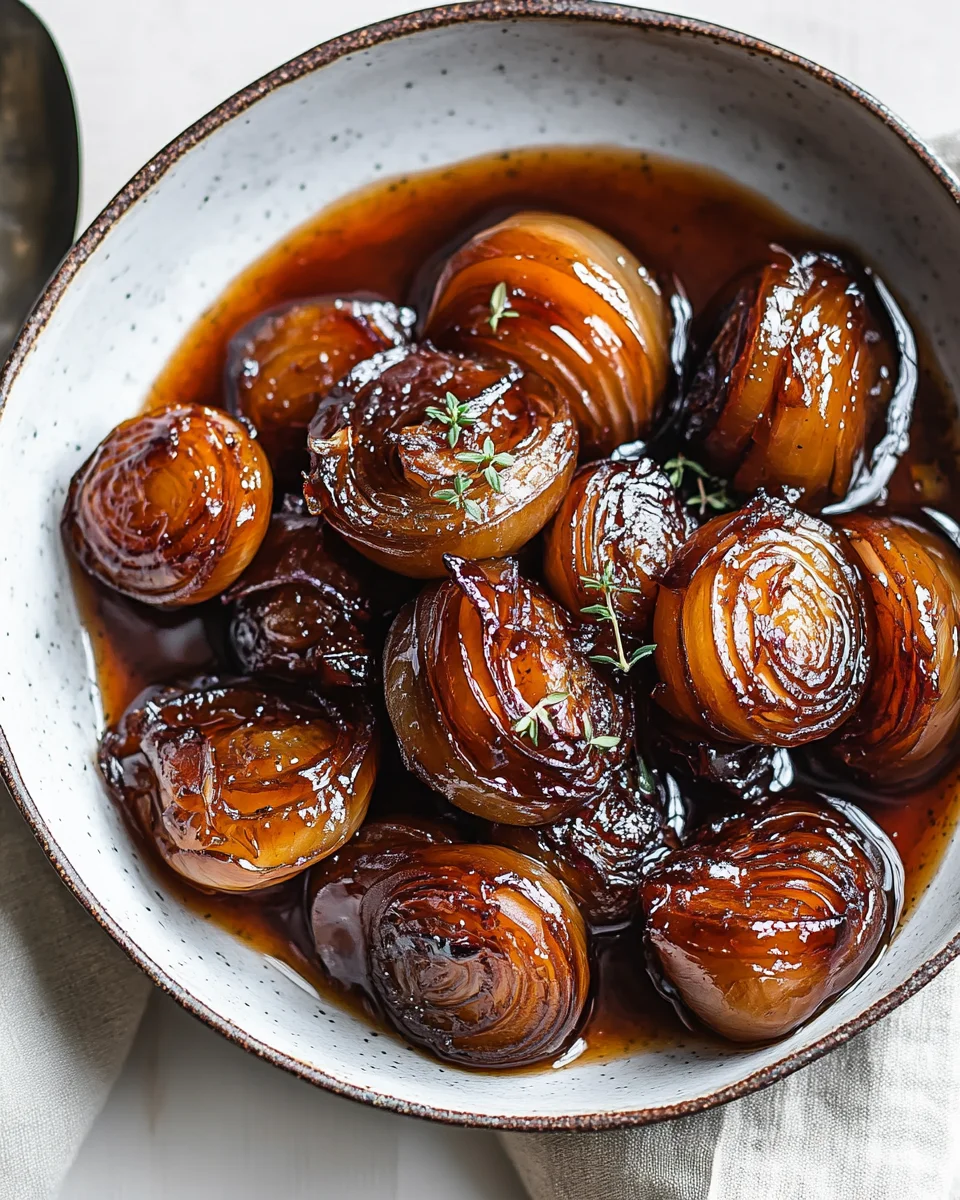
These Caramelized Balsamic Onions are a delightful addition to any meal, bringing a sweet and tangy flavor that enhances everything from steaks to salads. Perfect for dinner parties or weeknight meals, these onions transform into a rich, syrupy treat when baked with balsamic vinegar. Their unique taste and glossy finish make them a standout side dish that will impress your guests and elevate your culinary creations.
Why You’ll Love This Recipe
- Easy to Prepare: With simple steps and minimal effort, you can create a gourmet side dish that looks and tastes incredible.
- Versatile Pairing: These onions complement a wide variety of dishes—use them on meats, in sandwiches, or atop salads for an extra burst of flavor.
- Rich Flavor: The combination of balsamic vinegar and sugar creates a deep, caramelized taste that is hard to resist.
- Make Ahead Option: Prepare them in advance; they store well in the fridge and can be easily reheated for convenience.
- Visual Appeal: Their glossy finish and vibrant color make them an attractive addition to any plate.
Tools and Preparation
Before diving into the recipe, gather your tools to ensure a smooth cooking experience. Having the right equipment makes the preparation easier and more enjoyable.
Essential Tools and Equipment
- 3-quart baking dish
- Whisk
- Tongs
- Knife
- Cutting board
Importance of Each Tool
- 3-quart baking dish: Perfect size for roasting onions evenly without crowding.
- Whisk: Ensures that all ingredients blend smoothly for an even glaze.
- Tongs: Safely turn the onions during cooking without breaking them apart.
Ingredients
For the Caramelized Balsamic Onions
- 2 tablespoons butter, melted
- 1 tablespoon olive oil
- ⅓ cup balsamic vinegar
- 2 tablespoons dry white wine (or reduced-sodium chicken broth or water)
- 1 tablespoon sugar
- ¼ teaspoon salt
- ⅛ teaspoon ground black pepper
- 4 medium yellow onions (about 1 1/2 pounds total)
- 1 bunch fresh thyme leaves
How to Make Caramelized Balsamic Onions
Step 1: Preheat the Oven
Preheat your oven to 425°F (220°C). This is essential for achieving that perfect caramelization.
The Casserole Dish Thousands of Families Can't Cook Without!
Step 2: Prepare the Glaze
In a 3-quart baking dish:
1. Combine melted butter and olive oil.
2. Whisk in balsamic vinegar, white wine (or broth/water), sugar, salt, and pepper until well blended.
3. Set this mixture aside for later use.
Step 3: Prepare the Onions
- Peel the onions while keeping their root and stem ends intact. This helps them maintain shape during cooking.
- Slice each onion in half from stem to root.
- Place onion halves cut-side up in the baking dish over the prepared glaze.
Step 4: Bake Covered
Cover the baking dish loosely with foil and bake for 30 minutes. This initial step allows the onions to steam slightly, ensuring they soften.
Step 5: Turn Onions & Continue Baking
- Carefully remove the foil after 30 minutes.
- Using tongs, turn each onion cut-side down in the glaze.
- Continue baking uncovered for an additional 20–25 minutes until tender and glazed thickens into a syrupy consistency.
Step 6: Final Touches Before Serving
Once done:
1. Turn onions cut-side up before serving.
2. Garnish with fresh thyme if desired for an aromatic touch.
Enjoy these caramelized balsamic onions as an irresistible side dish!
How to Serve Caramelized Balsamic Onions
Caramelized balsamic onions are a versatile side dish that can elevate many meals. Their rich, sweet, and tangy flavor pairs beautifully with various foods, making them a delightful addition to your dining experience.
As a Side Dish
- Serve warm alongside grilled meats for a sweet complement.
- Pair with roasted vegetables for added depth of flavor.
On Sandwiches
- Add to burgers for a gourmet touch.
- Layer on grilled cheese sandwiches for an elevated twist.
With Salads
- Toss into mixed greens for extra sweetness.
- Use as a topping on grain bowls to enhance texture and taste.
As a Pizza Topping
- Sprinkle over pizza before baking for added richness.
- Combine with goat cheese for a deliciously unique flavor.
In Pasta Dishes
- Mix into pasta dishes for a sophisticated flavor boost.
- Combine with cream sauces for a luxurious finish.
How to Perfect Caramelized Balsamic Onions
To achieve the best results when making caramelized balsamic onions, follow these helpful tips. A little care can make all the difference in flavor and texture.
- Choose the right onions: Yellow onions are best due to their natural sweetness that enhances caramelization.
- Cut evenly: Slice onions uniformly to ensure even cooking and caramelization throughout.
- Watch the heat: Bake at 425°F (220°C) for optimal caramelization without burning the sugars.
- Use fresh ingredients: Opt for high-quality balsamic vinegar and fresh thyme to elevate flavors significantly.
- Don’t rush: Allow enough time during baking; patience leads to deeper flavors and perfect texture.
Best Side Dishes for Caramelized Balsamic Onions
Caramelized balsamic onions can be paired with numerous delightful side dishes. Here’s a list of excellent options that complement their unique taste well.
- Garlic Mashed Potatoes: Creamy mashed potatoes infused with garlic provide a comforting base that balances the sweetness of the onions.
- Roasted Brussels Sprouts: Crunchy, caramelized Brussels sprouts offer a nice contrast in texture while enhancing the meal’s overall flavor profile.
- Quinoa Pilaf: A nutty quinoa pilaf adds wholesome grains to your plate and pairs beautifully with the rich onions.
- Grilled Asparagus: Lightly charred asparagus brings freshness and brightness, perfectly offsetting the richness of caramelized onions.
- Creamed Spinach: This classic side dish adds creaminess that complements the savory-sweet notes of the onions nicely.
- Wild Rice Salad: A wild rice salad filled with nuts and dried fruits adds complexity and makes for an interesting pairing with balsamic flavors.
Common Mistakes to Avoid
When making caramelized balsamic onions, it’s easy to make mistakes that can affect the final dish. Here are some common errors and how to avoid them.
-
Skipping the butter and oil: Using only one fat can lead to uneven cooking. Combining butter and olive oil ensures a rich flavor and helps the onions caramelize evenly.
-
Not covering during the first bake: Failing to cover the onions for the initial baking stage can dry them out. Covering allows them to steam, making them tender before caramelization occurs.
-
Using low-quality balsamic vinegar: Cheap balsamic vinegar may lack depth of flavor. Invest in a good quality balsamic for the best results; it enhances the sweetness and tanginess of the dish.
-
Overcrowding the baking dish: Placing too many onions in a single layer can result in steaming rather than caramelizing. Ensure there’s enough space for air circulation, allowing for proper caramelization.
-
Ignoring onion variety: Not using yellow onions could change the taste and texture. Yellow onions are ideal for caramelizing due to their natural sweetness.
Storage & Reheating Instructions
Refrigerator Storage
- Duration: Store leftover caramelized balsamic onions in the refrigerator for up to 5 days.
- Container: Use an airtight container to keep flavors intact and prevent spoilage.
Freezing Caramelized Balsamic Onions
- Duration: Freeze for up to 3 months for best quality.
- Container: Place in freezer-safe bags or containers, leaving some space for expansion during freezing.
Reheating Caramelized Balsamic Onions
- Oven: Preheat to 325°F (163°C). Place onions in an oven-safe dish, cover with foil, and heat until warmed through, about 15–20 minutes.
- Microwave: Transfer onions to a microwave-safe bowl. Heat on high in short bursts (30 seconds), stirring between intervals until hot.
- Stovetop: Sauté gently over medium heat in a skillet with a splash of water or broth until heated through, about 5–10 minutes.
Frequently Asked Questions
Here are some frequently asked questions about caramelized balsamic onions that may help you perfect your dish.
How do I know when my Caramelized Balsamic Onions are done?
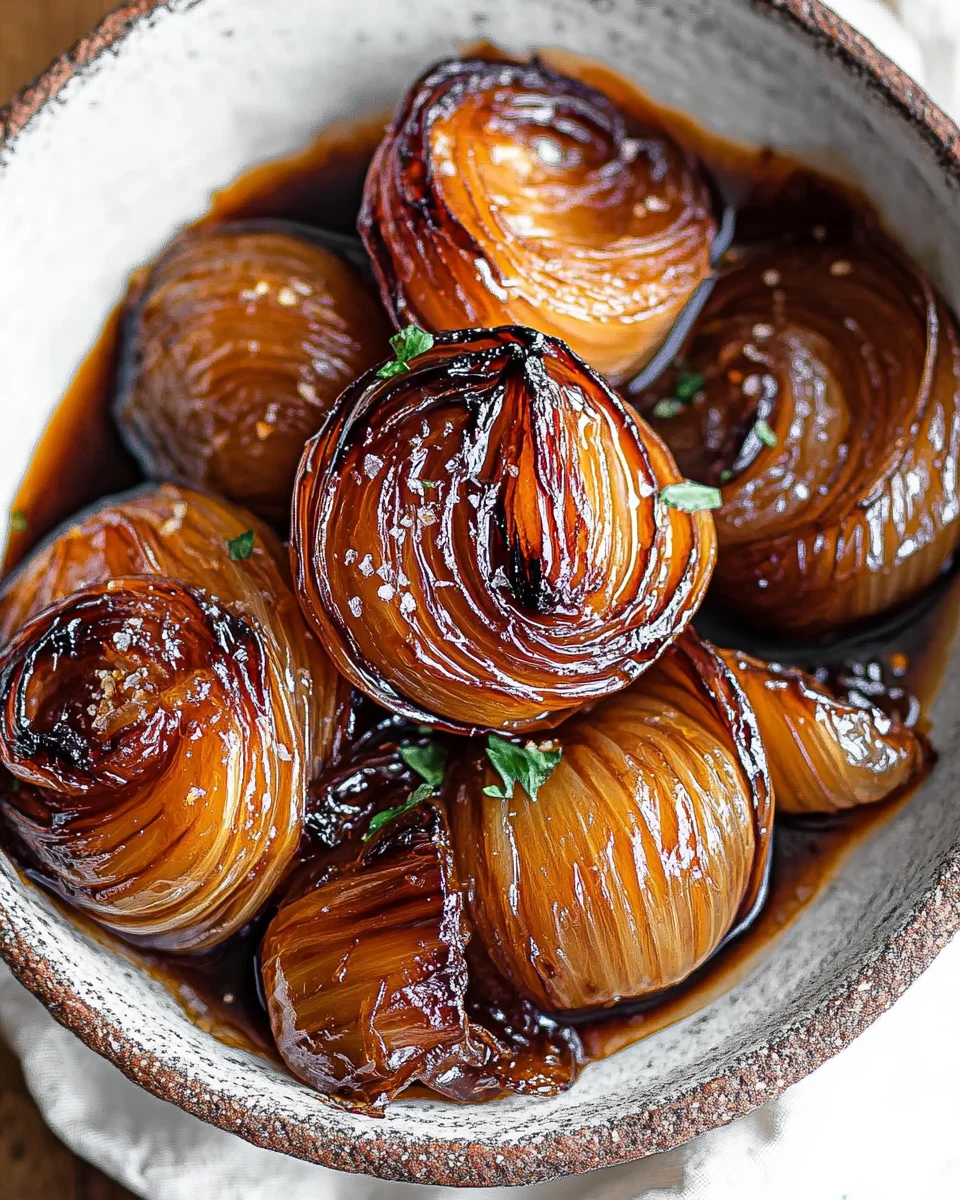
The onions are done when they are soft, golden brown, and have a thick syrupy glaze coating them. They should be tender when pierced with a fork.
Can I use other types of vinegar instead of balsamic?
Yes, while balsamic vinegar is preferred for its flavor profile, you can experiment with red wine or apple cider vinegar for different tastes. Adjust sugar accordingly if needed.
How can I customize my Caramelized Balsamic Onions?
Feel free to add herbs like rosemary or sage, or incorporate spices such as cumin or chili flakes for added flavor complexity.
Are Caramelized Balsamic Onions suitable for meal prep?
Absolutely! These onions store well and reheat easily, making them perfect for meal prepping. They add great flavor to various dishes throughout the week.
Final Thoughts
Caramelized balsamic onions are not just a delicious side dish but also incredibly versatile. Their rich flavor enhances meats, sandwiches, salads, and more. Try customizing them with different herbs or spices to suit your taste preferences. Enjoy this delightful recipe that brings out the sweet and tangy goodness of onions!
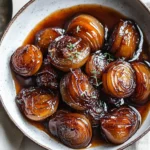
Caramelized Balsamic Onions
- Total Time: 1 hour 10 minutes
- Yield: Approximately four servings 1x
Description
Caramelized Balsamic Onions are an exquisite side dish that brings a perfect balance of sweet and tangy flavors to your meals. Ideal for enhancing everything from grilled steaks to fresh salads, these onions transform into a luscious, syrupy delight when roasted with balsamic vinegar. Their glossy appearance and rich taste make them a must-have for dinner parties or a simple weeknight meal. With minimal effort, you can impress your guests and elevate your culinary creations with this versatile recipe.
Ingredients
- 2 tablespoons butter, melted
- 1 tablespoon olive oil
- ⅓ cup balsamic vinegar
- 2 tablespoons dry white wine (or reduced-sodium chicken broth or water)
- 1 tablespoon sugar
- ¼ teaspoon salt
- ⅛ teaspoon ground black pepper
- 4 medium yellow onions (about 1 ½ pounds total)
- 1 bunch fresh thyme leaves
Instructions
- Preheat the oven to 425°F (220°C).
- In a baking dish, combine melted butter and olive oil. Whisk in balsamic vinegar, white wine (or broth/water), sugar, salt, and pepper until blended.
- Peel the onions, keeping root ends intact, slice them in half from stem to root, and place cut-side up in the baking dish over the glaze.
- Cover loosely with foil and bake for 30 minutes.
- Remove foil; turn onions cut-side down in the glaze and bake uncovered for another 20–25 minutes until tender and syrupy.
- Before serving, turn onions cut-side up and garnish with fresh thyme if desired.
- Prep Time: 15 minutes
- Cook Time: 55 minutes
- Category: Side Dish
- Method: Baking
- Cuisine: American
Nutrition
- Serving Size: ½ cup (120g)
- Calories: 132
- Sugar: 10g
- Sodium: 166mg
- Fat: 7g
- Saturated Fat: 3g
- Unsaturated Fat: 4g
- Trans Fat: 0g
- Carbohydrates: 16g
- Fiber: 2g
- Protein: 1g
- Cholesterol: 10mg
The Salad Bowls Amazon Chose and Customers Love!
Leave a Comment