Caramelized onions are a must-know culinary skill that elevates any dish with their rich, sweet flavor. They are incredibly versatile, perfect for toppings on burgers, sandwiches, and pasta, or even as a standalone snack. Learning how to make caramelized onions will enhance your cooking repertoire and impress your guests at any gathering.
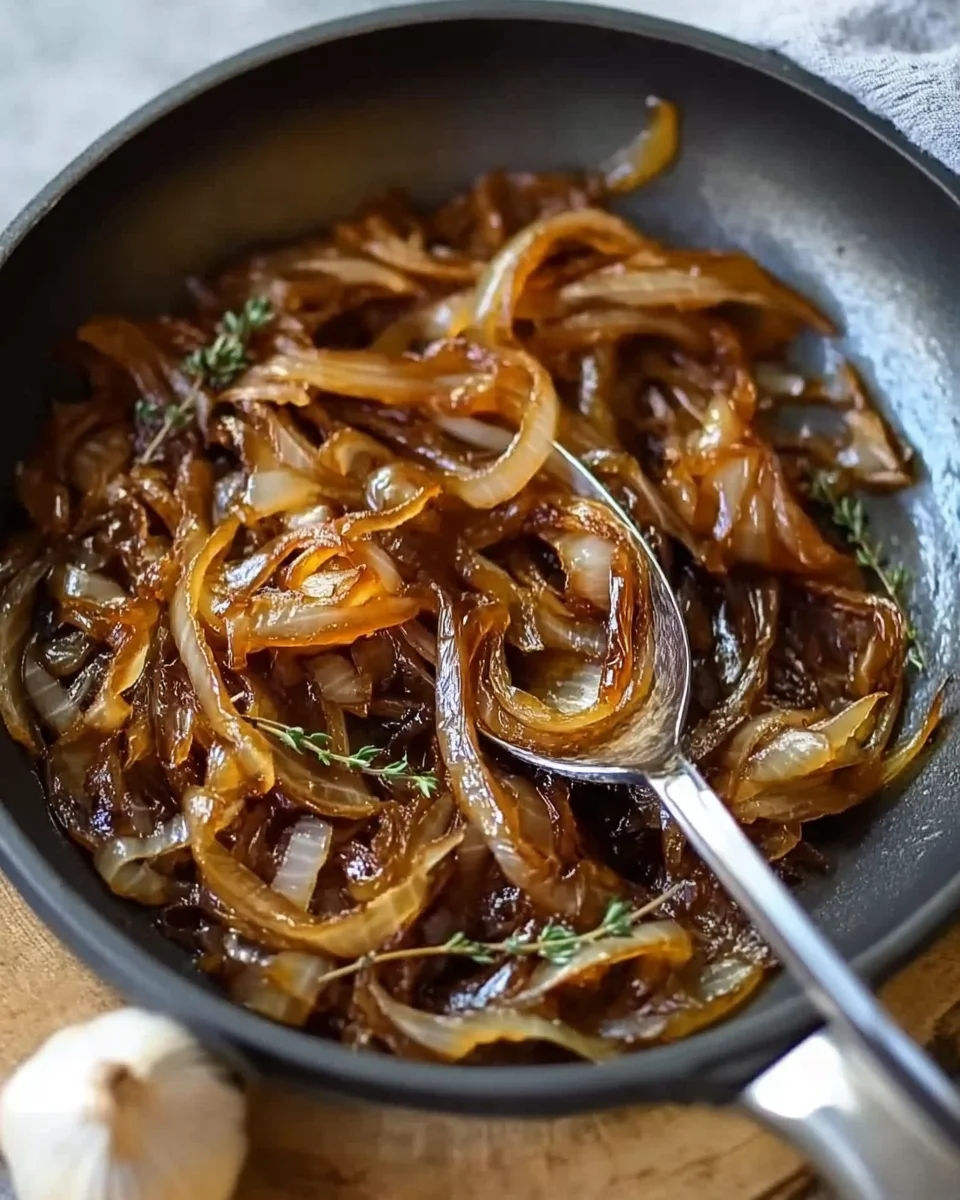
Why You’ll Love This Recipe
- Easy to Make: With just a few ingredients and simple techniques, anyone can master this recipe.
- Deep Flavor: Slow cooking brings out the natural sweetness of the onions, creating a deliciously rich taste.
- Versatile Use: Enjoy them on burgers, in salads, or as a topping for various dishes.
- Great for Meal Prep: These can be made in advance and stored in the fridge for up to a week.
- Impressive Presentation: Their beautiful golden color makes any dish look gourmet.
Tools and Preparation
Before you start making caramelized onions, gather your tools to ensure a smooth cooking process.
Essential Tools and Equipment
- Large skillet
- Wooden spoon or spatula
- Chef’s knife
- Cutting board
Importance of Each Tool
- Large skillet: Provides ample space for onions to cook evenly without overcrowding.
- Wooden spoon or spatula: Ideal for stirring gently without damaging the onions.
- Chef’s knife: Ensures precise slicing for even cooking.
- Cutting board: Keeps your workspace safe and organized while chopping.
Ingredients
To make delicious caramelized onions, you’ll need the following ingredients:
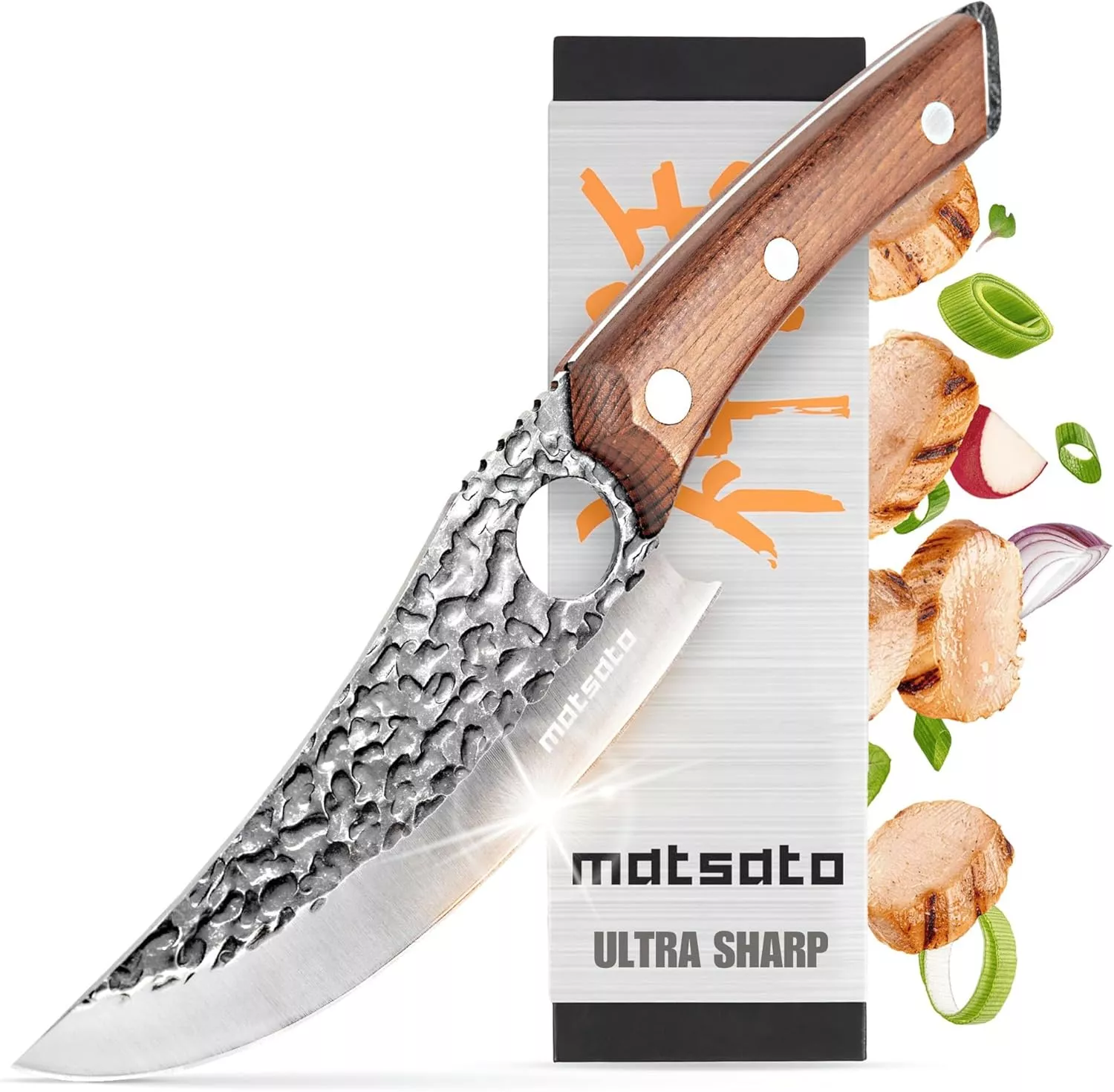
Grab This Chef Knife Now - Almost Gone!
For the Caramelized Onions
- 2 tablespoons butter
- 1 tablespoon canola oil
- 3 large yellow onions, peeled, halved, and thinly sliced
- 1 teaspoon kosher salt
- 3 sprigs fresh thyme, leaves only
- 1 tablespoon white balsamic vinegar (optional)
How to Make How to Make Caramelized Onions
Step 1: Heat the Skillet
Begin by heating the butter and canola oil in a large skillet over medium-high heat until melted.
Step 2: Add Onions and Seasoning
Once the butter is melted:
Add sliced onions into the skillet.
Sprinkle with kosher salt and add thyme leaves.
Step 3: Start Cooking
Cook for about 5 minutes:
Stir occasionally until the onions begin to soften.
Step 4: Reduce Heat
After 5 minutes:
Reduce heat to medium-low and cover with a lid.
Step 5: Continue Cooking
Let the onions cook slowly for up to 1 hour:
Stir every 10–15 minutes to ensure even caramelization.
If they begin to burn or stick, add a splash of water or broth.
Step 6: Add Vinegar
During the last 10 minutes of cooking:
If using, add white balsamic vinegar and stir well.
Step 7: Finish Up
Cook until deeply caramelized:
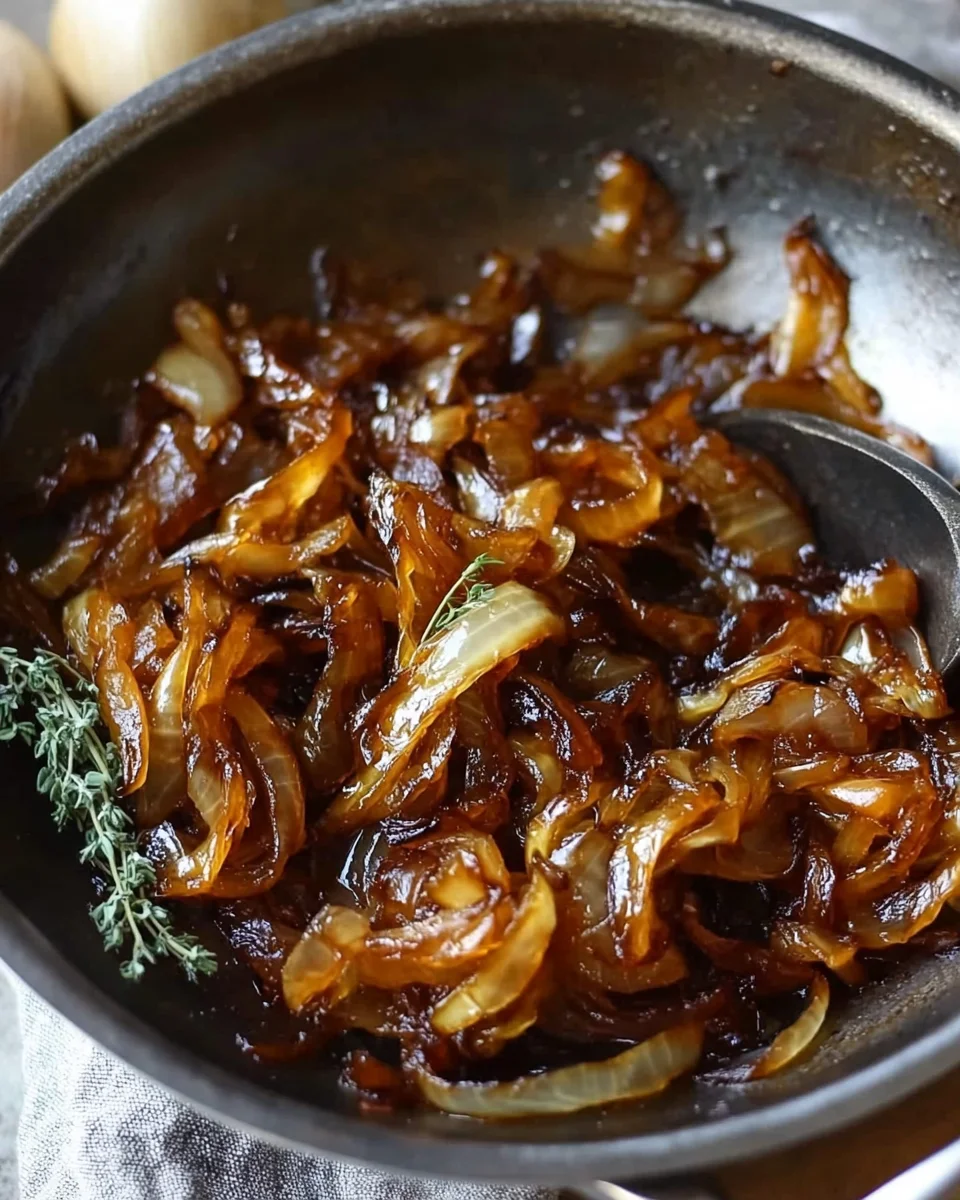
The onions should be soft and jammy. Serve immediately or store for later use.
By mastering how to make caramelized onions, you not only create an enticing ingredient but also elevate your cooking skills overall!
How to Serve How to Make Caramelized Onions
Caramelized onions are versatile and can elevate various dishes. Here are some delightful ways to serve them.
On Burgers
- Juicy beef or veggie burgers topped with caramelized onions add a rich, savory flavor that complements the meat perfectly.
In Sandwiches
- Add caramelized onions to your favorite sandwiches for an extra layer of sweetness and depth that pairs well with cheeses and meats.
Over Pasta
- Toss warm pasta with caramelized onions, a drizzle of olive oil, and fresh herbs for a quick yet gourmet dish.
On Pizza
- Use caramelized onions as a topping on pizzas. Their sweetness balances out savory toppings like smoked meats or tangy cheeses.
In Quiches
- Incorporate caramelized onions into quiches or frittatas for a delicious brunch option that is packed with flavor.
As a Topping
- Serve them as a topping for grilled meats, such as steak or chicken, to enhance the overall dish with their sweet and savory notes.
How to Perfect How to Make Caramelized Onions
Perfecting caramelized onions takes time and technique. Here are some tips to ensure your onions turn out beautifully every time.
-
Use the right pan: A large, heavy-bottomed skillet allows for even heat distribution, preventing burning and ensuring proper caramelization.
-
Be patient: Slow cooking over medium-low heat is crucial. Rushing this process will lead to uneven cooking and less flavor development.
-
Stir occasionally: Stirring every 10–15 minutes allows even browning while letting the sugars develop in the onions.
-
Add liquid wisely: If your onions start to stick or burn, adding a splash of water or broth helps deglaze the pan and enhances flavor.
-
Experiment with flavors: Try adding balsamic vinegar or additional spices towards the end of cooking for an extra depth of flavor.
-
Store properly: Allow cooled caramelized onions to be stored in an airtight container in the fridge for up to one week, making them easy to use later.
Best Side Dishes for How to Make Caramelized Onions
Caramelized onions pair wonderfully with many sides. Here are some great options to consider:
- Garlic Mashed Potatoes – Creamy mashed potatoes infused with garlic complement the sweetness of caramelized onions beautifully.
- Roasted Vegetables – Seasonal roasted vegetables bring out natural sweetness that harmonizes well with caramelized flavors.
- Grilled Asparagus – The slightly charred taste of asparagus contrasts nicely with sweet, jammy onions.
- Coleslaw – A tangy coleslaw provides a refreshing crunch when served alongside dishes featuring caramelized onions.
- Rice Pilaf – Fluffy rice pilaf absorbs flavors well and pairs excellently with the richness of caramelized onions.
- Cauliflower Gratin – Creamy cheese and tender cauliflower make this dish indulgent, while caramelized onions add depth.
Common Mistakes to Avoid
When learning how to make caramelized onions, it’s important to steer clear of common pitfalls that can ruin your dish. Here are some mistakes to watch out for:
- Skipping the low heat: Cooking onions on high heat can lead to burning rather than caramelizing. Always start with medium-low heat for even cooking.
- Stirring too often: If you stir the onions constantly, they won’t get the chance to develop a rich color and flavor. Let them sit undisturbed for a few minutes between stirs.
- Using the wrong pan: A non-stick or small pan can prevent proper caramelization. Use a large skillet made of stainless steel or cast iron for best results.
- Not adding enough moisture: If your onions start sticking or burning, it’s a sign they need moisture. Add a splash of water or broth as needed during cooking.
- Rushing the process: Caramelizing onions takes time, usually around an hour. Don’t rush; patience is key for developing that sweet, savory flavor.
Refrigerator Storage
- Store caramelized onions in an airtight container.
- They will last up to one week in the refrigerator.
- Allow them to cool completely before sealing the container.
Freezing How to Make Caramelized Onions
- Portion into freezer-safe bags or containers.
- Caramelized onions can be frozen for up to three months.
- Label containers with the date for easy tracking.
Reheating How to Make Caramelized Onions
- Oven: Preheat your oven to 350°F (175°C). Spread onions on a baking sheet and warm for about 10-15 minutes, stirring halfway through.
- Microwave: Place caramelized onions in a microwave-safe bowl. Heat in 30-second intervals until warmed through, stirring in between.
- Stovetop: In a skillet over low heat, gently reheat the onions while stirring occasionally until heated through.
Frequently Asked Questions
How long does it take to learn how to make caramelized onions?
It typically takes about one hour to properly caramelize onions. The key is to cook them slowly at a low temperature.
Can I use different types of onions?
Yes! While yellow onions are commonly used, you can also try red or sweet onions for different flavors.
Is using vinegar necessary when learning how to make caramelized onions?
Vinegar is optional. It adds a tangy depth but is not essential for perfecting your caramelization technique.
What dishes pair well with caramelized onions?
Caramelized onions enhance burgers, sandwiches, pasta dishes, and even pizzas, adding a sweet and savory touch.
Final Thoughts
Caramelized onions are not only delicious but also incredibly versatile in many recipes. Whether you’re adding them to a gourmet burger or mixing them into pasta dishes, their rich flavor elevates any meal. Feel free to customize this recipe by experimenting with different herbs or acids like balsamic vinegar for added depth! Try making your own batch today and discover how this simple ingredient can transform your cooking!
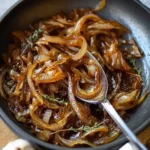
Caramelized Onions
- Total Time: 1 hour 10 minutes
- Yield: Approximately 2 cups (serves about four people) 1x
Description
Caramelized onions are a culinary gem that can transform any dish with their rich, sweet flavor. Mastering the art of caramelizing onions adds depth to burgers, sandwiches, and pasta while also serving as a delectable standalone snack. With just a few ingredients and simple techniques, you can create these jammy delights that will impress your guests and elevate your meals.
Ingredients
- 2 tablespoons butter
- 1 tablespoon canola oil
- 3 large yellow onions, peeled, halved, and thinly sliced
- 1 teaspoon kosher salt
- 3 sprigs fresh thyme, leaves only
- 1 tablespoon white balsamic vinegar (optional)
Instructions
- Heat butter and canola oil in a large skillet over medium-high heat until melted.
- Add sliced onions to the skillet; sprinkle with kosher salt and thyme leaves.
- Cook for about 5 minutes, stirring occasionally until onions soften.
- Reduce heat to medium-low and cover with a lid.
- Continue cooking slowly for up to 1 hour, stirring every 10–15 minutes. Add water or broth if they begin to stick.
- In the last 10 minutes, add balsamic vinegar (if using) and stir well.
- Cook until onions are deeply caramelized, soft, and jammy.
- Prep Time: 10 minutes
- Cook Time: 60 minutes
- Category: Side Dish
- Method: Sautéing
- Cuisine: American
Nutrition
- Serving Size: 1/4 cup (60g)
- Calories: 70
- Sugar: 4g
- Sodium: 200mg
- Fat: 5g
- Saturated Fat: 2g
- Unsaturated Fat: 3g
- Trans Fat: 0g
- Carbohydrates: 8g
- Fiber: 1g
- Protein: 1g
- Cholesterol: 10mg
The Casserole Dish Thousands of Families Can't Cook Without!

Leave a Comment